Horny Goat Weed, Explained: What Icariin Actually Is
Horny Goat Weed, botanically known as Epimedium, has centuries of traditional use behind it — and a specific flavonoid compound, icariin, that modern research has taken a genuine interest in.
Understanding icariin helps separate the plant's traditional reputation from what current research actually supports.
The traditional use
Epimedium species have been used in traditional Chinese herbal practice for centuries, historically associated with vitality and physical drive. The plant's colloquial English name traces back to folklore about its effects, though the more useful modern story is about the specific compound researchers have isolated from it.
What icariin is
Icariin is a flavonoid glycoside found in Epimedium leaves, and it is the compound most modern research on this botanical actually focuses on. Extract standardisation to a specific icariin percentage is one way manufacturers signal a more consistent, researched product rather than a generic unstandardised botanical powder.
What the research has explored
Studies on icariin have examined its potential role in supporting healthy circulation and its interaction with pathways relevant to blood vessel function, distinct from the amino-acid-driven nitric oxide pathway but aimed at a related circulatory goal. This research is indexed on PubMed for anyone who wants to read the primary studies.
What the evidence does and does not establish
Much of the foundational research on icariin's mechanisms comes from laboratory and animal studies rather than large-scale human clinical trials. That does not mean the mechanism is irrelevant to humans, but it does mean the evidence base is earlier-stage than for something like zinc's role in testosterone production, which has a much longer and more direct human research history.
Standardisation matters here too
Like most botanical extracts, Horny Goat Weed's potency depends heavily on how it is standardised. A product stating a specific icariin percentage is disclosing more than one simply listing ‘Epimedium extract’ without any standardisation figure.
Applying this to Jelly Rock
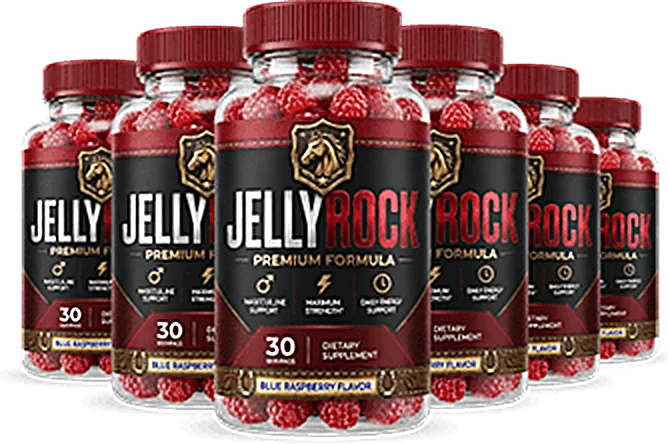
Jelly Rock's pages describe Horny Goat Weed by name, tied to its icariin content, but do not state a standardisation percentage or milligram amount in the full ingredient list. It is a reasonable traditional inclusion complementing the formula's amino-acid pathway; the specific potency delivered cannot be confirmed from the label.